
I am an artist/photographer (with a dread of writing or defining my practice) based in Exeter and Venice.
During the first lockdown, working close to home, I photographed and made cyanotypes in/of trees, presenting images in my studio window to my neighbours.
This lockdown I have established a home studio where I can be found on a daily basis photographing the growth and decay of an Amaryllis (naked Lady).
My practice is almost totally darkroom led, I am also using this time to try and complete projects. Currently I am enjoying printing photographs (black and white), adding to and concluding the project ‘Keep Your Kodak Busy’ a typology of European WW1 monuments photographed with a Box Brownie camera.
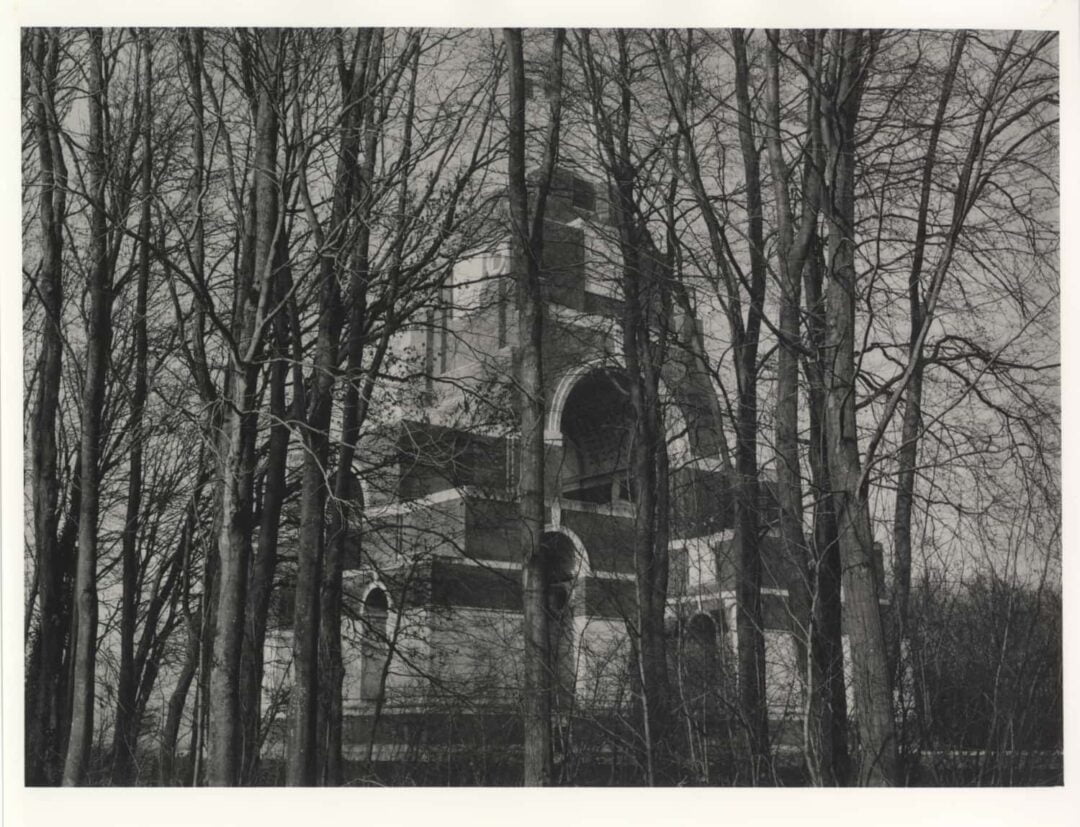
Since 2016 I have been visiting WW1 sites, photographing monuments, cemeteries and battlefield landscapes under the working title ‘Places Remember Events, an ongoing series. In 2018/19 I was invited by Hestercombe Gallery ‘Where Function Ends: Responses to the architecture of Sir Edwin Lutyens, “Liz Nicol’s photographs respond to the development of Lutyens’ architectural language in war cemeteries and memorials along the Western Front”. This interest in sites of conflict is rooted in an AHRC interdisciplinary project, ‘Remember Me. The changing face of memorialisation’ based at Hull University. Predating this research project I undertook a residency in the divided city of Nicosia, (a collaboration between Plymouth University and NiMAC) where the focus was the contested city space of the ‘green line’, also known as the military ‘buffer zone’ and by some ‘no man’s land’.
In Nicosia I established a performative practice of making cyanotypes (sun prints) and I began working with trees, Olive trees. Further afield in Cyprus I have been photographing medieval bridges, another ongoing project. Field studies of the Venetian Lagoon is the umbrella title given to several exhibitions that are concerned with the process of documenting the saltmarshes of the Lagoon. The aim is that through observation and repeated visits, the resulting photographic records can act as a voice/record, enabling the saltmarshes to speak for themselves.
Multiple photographic formats are utilised to examine this site of environmental conflict; cyanotypes made in situ (exposed by the sun and washed in the lagoon), specimens are collected are taken into the darkroom where plant structures are traced and depicted, the camera is the central source of these various photographic elements. Key works include ‘Figureheads’ (Old Leadworks Bristol) 1996, ‘The Rubber Band Project’ (Aspex), 1997 and ‘Willy. Red star, Gaultier suit, crocodile shoes (EAST International, Norwich) 2004. Following an established career in education, as a teacher, and a senior manager, energies are now channelled into making photographs and reflecting on my practice.
Top image: Thiepval Memorial to the Missing. 2019. Liz Nicol
Contact
Instagram: liznicol
website: www.liznicol.co.uk
email: liznciol@colleton.org
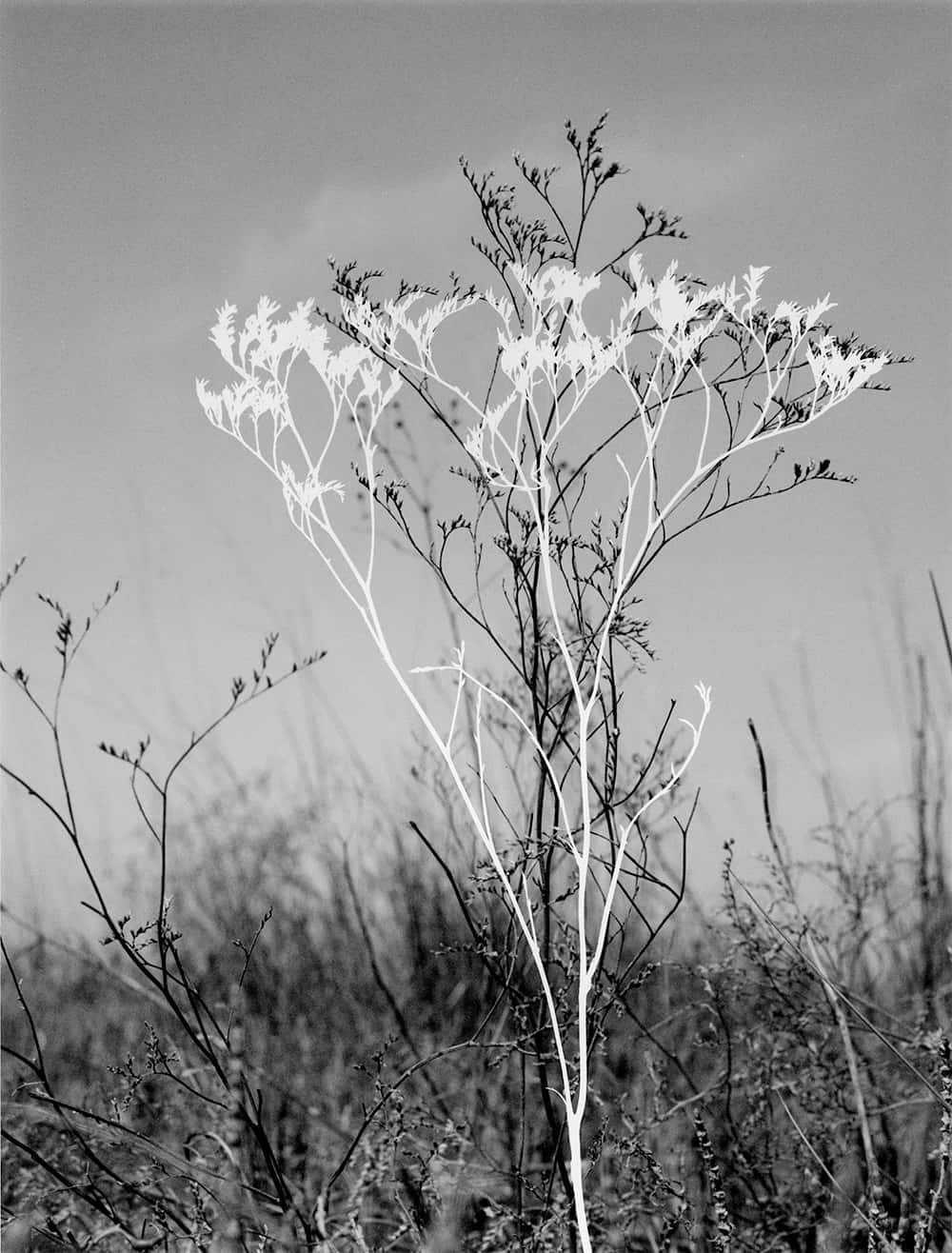
Lagoon layered